|
THE ATTENTION SPAN a monthly invitation for reflection, analysis and imagination by writer, literary translator and artist, canan marasligil. issue 31| all the seconds towards love filling the void (s
|
issue 31| all the seconds towards love
|
|
|
|
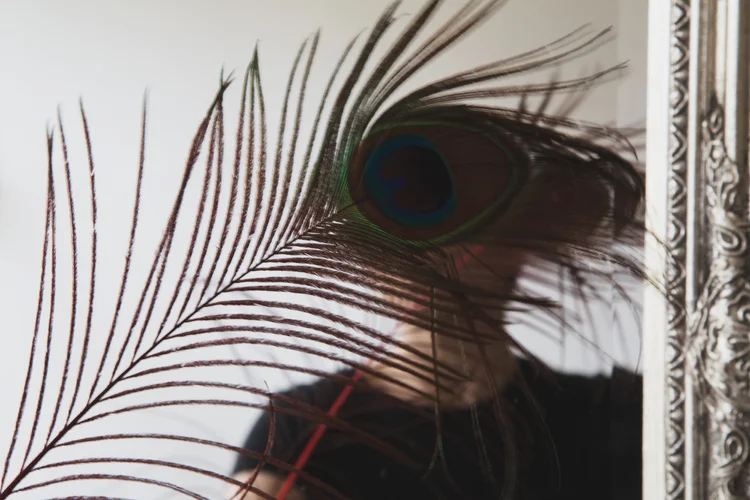
filling the void (self-portrait), October 2024 |
|
|
What a world have we been building, since I sent the last issue of this newsletter last summer. It was issue 30, on Humility and Imagination. I feel none of these two words are part of our mainstream discourses, and it worries me. So here I am. Trying to do my part, attempting to contribute to a narrative of connection and most importantly, trying not to get distracted by voices carrying nothing else but void —from news headlines, algorithms to incompetent politicians. I promised I would return with new thoughts, reflections, spaces for imagination. Because that’s what the attention span is to me, a space away from everything that contains us within boxes: of time, of imposed ideas and identities. the attention span is freedom to me, and I do hope, as you read along, that it is a moment of freedom to you as well. Monday morning, as I listened to the news on France Inter, filmmaker Claude Lelouch was being interviewed by journalist and daily host Léa Salamé. In the frame of his latest film (his 51st!), the 87-year-old director spoke about love, and about freedom: how freedom cannot constantly exist without respite, “la liberté a besoin de se reposer” (freedom needs rest), he says. By this he means that throughout our day, our lives, we create moments of freedom. For him, making films are these moments of freedom. What really moves me is the connection he makes between time, freedom and love: “Le sens de la vie c’est l’amour. Tous les chemins mènent à l’amour. Toutes les secondes dans la vie qui ne sont pas consacrées à l’amour sont des secondes perdues. La liberté, elle vous amène à l’amour”
He says: “The meaning of life is love. All the roads lead to love. All the seconds in a lifetime that are not spent on love are lost. Freedom carries us towards love.” I guess the attention span is an invitation to create such moments of freedom: to connect with ideas and emotions, to reflect, and hopefully hold space for imagination and love.
|
|
|
|
filling the void (self-portrait), October 2024 |
|
|
It is with a similar reflection on freedom and love that I have returned to my artistic practice these past few months, exploring self-portraiture. I’ve been reading a fascinating book on women and queer artists who have painted self-portraits, titled The Mirror and the Palette by Jennifer Higgie. It covers five centuries of Western art history through different geographical contexts. It is quite an ambitious focus, which may feel the book only touches the surface of these artists’ lives - and it does in a sense - but the stories are interwoven in a way that makes you hungry to learn more without feeling frustration. Many of these artists I knew about and admire, such as Suzanne Valadon, Paula Modersohn-Becker, Frida Kahlo, Gwen John or Leonora Carrington, and many more I had never heard of, such as Mari Bashkirtseff, Helene Schjerfbeck, Amrita Sher-Gil or Lois Maillou Jones. This book has accompanied my introspection through self-portraiture and has led me to join an art class focusing on portrait drawing, painting and sculpting. The gesture of photography —which I practice daily, is very different from the one of drawing, painting or sculpting, as these three medium require a slower pace. Drawing a self-portrait, you need to look into every single detail of your own face, and attempting to reproduce them is quite humbling —So yes, I guess humility does need time and attention. I am not ready yet to show you the portraits I have created, maybe because they reveal parts of me I have not yet expressed publicly, and that is exciting as much as it is scary. But also because I am still learning, and protecting the space of learning is necessary to grow. Here —in the act of creation, reflection, imagination, is where I chase the freedom Claude Lelouch is talking about, while remaining present in this world I inhabit: informed and aware of the violence and division within our societies, and remembering we all have a part to play from where we stand (some of us have the privilege of choosing where we stand, I am among those lucky ones). From here, I can access information and narratives to help me critically frame my own thinking and self-expression. While doing so, I refuse to not focus on love. As Lelouch says, every second in life we do not spend on love is lost. I have no intention of losing any… Happy to be back.
|
|
|
|
facing the void (self-portrait), October 2024 |
|
|
A FEW THINGS THAT MAKE ME THINK AND FEEL…
|
|
Kate Winslet has brought photographer Lee Miller’s life (or one of her many lives, taking place right before and during WWII) to the screen. I watched the film and liked it, and got even more curious about who Miller was, so I started reading the biography her son wrote, which the film is based on: The Lives of Lee Miller by Antony Penrose. It’s a very interesting book, and the fact that the biographer is Miller’s son, who only later in life discovers the work of his mother, adds another layer of emotion to the reading. I invite those of you who understand the French language to listen to this five-part documentary series on France Culture radio about Lee Miller, which is an incredibly rich and multi-layered account of her many lives. I have watched an autobiographical documentary titled Celluloid Underground (2023) by filmmaker Ehsan Khoshbakht about his friendship with the mysterious Ahmad, a maverick film collector who hid thousands of banned 35mm film prints and posters in basements in downtown Tehran, to save them from the fundamentalist fanatics. It is an extraordinary story of obsession, passion and love for film, with an immense yearning for freedom. A reminder also, for all of us living in places where cinemas are easily accessible (such as in the Netherlands where we have Cineville, a network of art house cinemas offering a monthly subscription model) of how privileged we are, and we should never take this accessibility for granted. I loved listening to Notes on a Native Son, a special audio series about the enduring influence of James Baldwin featuring the voices of those he inspired including Siri Hustvedt, Ta-Nehisi Coates, Colm Toibin, Bryan Stevenson, and more. Wonderfully hosted by journalist Razia Iqbal, each episode explores a passage by Baldwin that demonstrates the continued resonance of his writing and thought leadership on issues such as race, class, sexuality, power and belonging. And some music… because there is no emotion without music (it is at least my belief). I saw Joan As Police Woman last month in concert in Amsterdam, it was magical. I love the latest album, Lemons, Limes and Orchids, and especially the songs “Remember the Voice” and “Oh Joan”. And a little bonus song (those of you who are watching the series Shrinking on AppleTV may have heard it already): “Letting Go” by Angie McMahon. Listen all the way to the end… you’re welcome :)
|
|
ABOUT + SUPPORT Canan “Ja’anan” Marasligil (she/they) is a writer, literary translator and artist based in Amsterdam. She established the attention span website and its newsletter to publish their work independently: making the time to reflect, analyse and imagine. thank you so much for reading! you can support the attention span by contributing as much as you’d like between 2,50 € and 25 € via this pay pal link.
|
|
Sharing is loving 🖤 Here’s the link to subscribe: theattentionspan.com/subscribe
When quoting or sharing content, please credit the author. Unless otherwise stated, all content (writing, photography, design) created and published in this newsletter is authored by Canan Marasligil.
|
|
|
|